


Psyllium Husk in Keto and Low-Carb Baking: The Secret Ingredient in Gluten-Free Bread
May 22, 2026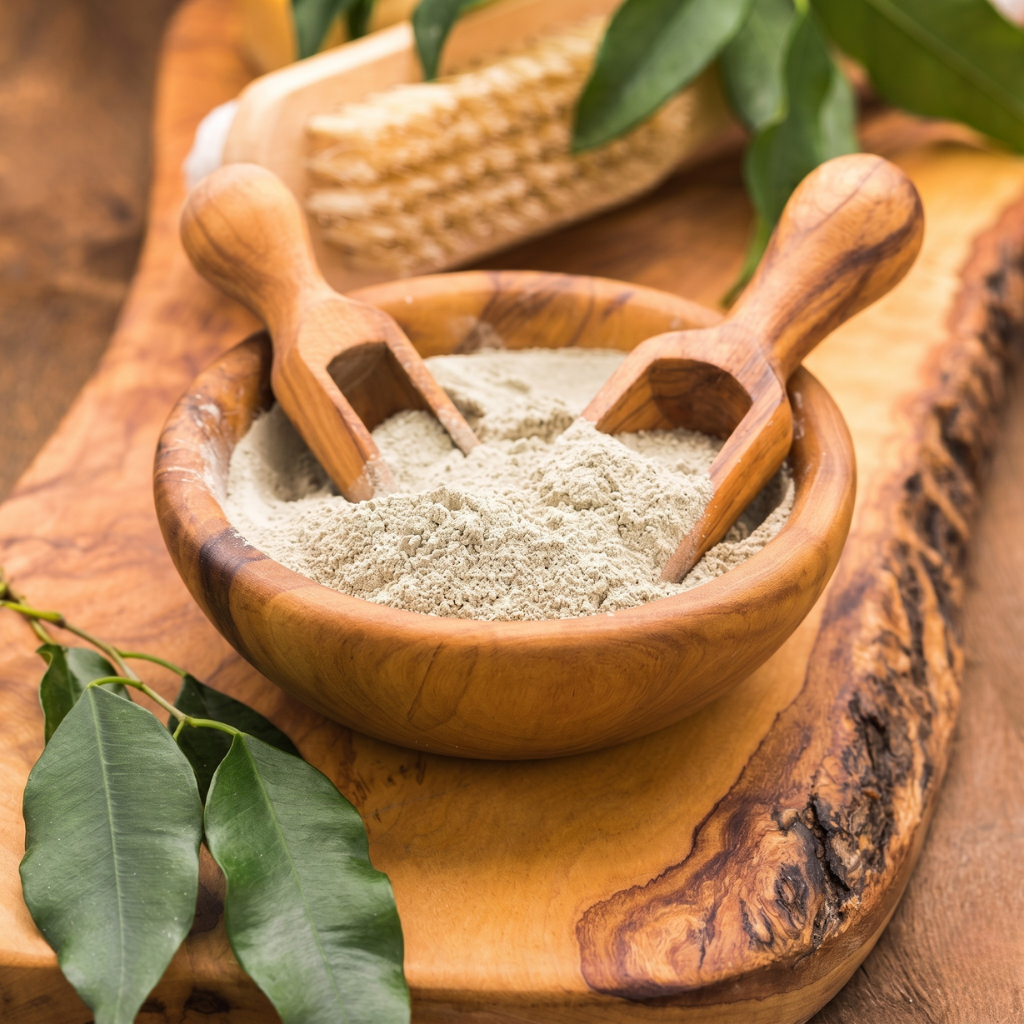
Your keto bread crumbled again. And you are starting to wonder if good bread on a low-carb diet is just a myth.
It is not. The problem is almost always one missing ingredient, and once you have it, everything changes.
Psyllium husk is quietly the most important ingredient in keto and gluten-free baking. It is what makes low-carb bread actually hold together. It is what gives a keto pizza base the elasticity to stretch without tearing. It is the reason a gluten-free loaf can be soft, sliceable, and genuinely satisfying, rather than a dense brick that falls apart the moment you pick it up.
At Prime Psyllium, we grow and supply psyllium husk directly from Gujarat, India the source of over 85% of the world’s psyllium. So when it comes to what this ingredient can do in a kitchen, we know it from the ground up.
Here is everything you need to know about psyllium husk in keto baking: what it does, how to use it, and how to get it right every single time.
Why Gluten-Free and Keto Baking Is So Difficult Without It
To understand why psyllium husk matters so much, you first need to understand what gluten does.
Gluten is the protein network in wheat flour that gives bread its structure, stretch, and chewiness. When you knead dough, gluten strands develop and they trap air bubbles, hold moisture, and create that springy texture you get in a good loaf of bread.
Keto and gluten-free baking removes all of that. Almond flour, coconut flour, and other low-carb alternatives are dense and dry. They have no protein network, no elasticity, no way to trap air. The result is crumbly, flat, gritty bread that nobody actually wants to eat.
This is exactly the problem psyllium husk solves.
How Psyllium Husk Works as a Gluten Replacement
Psyllium husk is a pure soluble fibre derived from the seed coat of the Plantago ovata plant. When it comes into contact with water, it absorbs liquid rapidly and forms a thick, viscous gel. That gel is what does the work in baking.
Think of it as a plant-based glue. It binds ingredients together, creates elasticity in the dough, and traps moisture inside the loaf by giving keto and gluten-free bread the structure and softness that no other low-carb ingredient can deliver.
Specifically, psyllium husk in keto baking does four things that nothing else does as well:
Binding: holds almond flour, coconut flour, and eggs together into a cohesive dough that does not fall apart when you slice it.
Elasticity: makes dough pliable enough to roll out for pizza bases, shape into rolls, or press into a loaf pan without cracking.
Moisture retention: traps water inside the baked product, keeping it soft for days instead of drying out within hours of baking.
Rise and volume: works with baking powder to support lift, giving your bread genuine height and an open, airy crumb rather than a heavy, dense core.
The keto bakery products market is projected to grow from USD 0.9 billion in 2023 to USD 2.1 billion by 2030 and psyllium husk is a central ingredient driving that growth as commercial bakeries adopt it to replicate gluten’s elasticity in allergen-free product ranges.
Is Psyllium Husk Actually Keto?
This is the question that trips most people up and it is worth answering clearly.
Psyllium husk contains approximately 8 to 9 grams of total carbohydrates per tablespoon (10 grams). But here is the key: 7 to 8 of those grams are indigestible dietary fibre. That means the net carb count and the only number that matters for ketosis is just 1 to 2 grams per tablespoon.
The amounts used in baking are typically 1 to 2 tablespoons per loaf. Psyllium adds almost zero meaningful net carbs to your baked goods. A slice of psyllium husk keto bread typically contains around 1 to 2 grams of net carbs. It will not knock you out of ketosis.
In fact, psyllium actively supports a ketogenic diet by slowing the absorption of any carbohydrates consumed alongside it helping to stabilise blood sugar and reduce post-meal spikes. It also supports the digestive health that often suffers on very low-carb diets, where fibre intake frequently drops too low.
How to Use Psyllium Husk in Gluten-Free Baking
Getting psyllium right is mostly about ratios and form. Use too little and your bread falls apart. Use too much and it turns gummy and dense. Here is the practical guide:
Husk or Powder – Which One to Use?
Both work, but they behave differently.
Psyllium husk powder is finely milled and blends more evenly into dough. It produces a lighter, more consistent crumb and is the best choice for bread, rolls, and pizza bases. Most baking recipes specify the powder form.
Whole psyllium husks are coarser and work better in rustic crackers, flatbreads, or recipes where a denser texture is welcome.
If you only have whole husks but a recipe specifies powder, grind them briefly in a coffee or spice grinder before measuring.
The Right Ratios
Use these as your baseline; they work consistently across most gluten-free and low-carb flour combinations:
Bread and sandwich loaf: 1 to 2 tablespoons (8 to 16 grams) per cup of flour
Pizza base and flatbread: 1 tablespoon (8 grams) per cup of flour
Rolls and buns: 1 to 1.5 tablespoons per cup of flour
Crackers: 1 teaspoon per cup of flour
Three Tips That Make a Real Difference
Mix psyllium into your dry ingredients first, before adding any liquid. This ensures even distribution and avoids clumping.
Use boiling or very hot water when a recipe calls for it. Psyllium activates faster in hot water, producing a stronger gel that gives bread better structure and a more open crumb.
Let the dough rest for 2 to 5 minutes after mixing. The psyllium gel needs time to fully form before you shape or bake. Rushing this step is the most common reason doughs feel too wet or loose.
What Goes Well With Psyllium in Low Carb Baking
Psyllium husk works particularly well alongside the most popular keto flours:
Almond flour: the most common pairing. Almond flour provides richness and bulk; psyllium provides structure. This combination produces a bread that is close to sandwich bread in texture.
Coconut flour: a highly absorbent flour that pairs well with psyllium’s moisture retention. Use less coconut flour than you think you need, and allow psyllium’s gel to balance the absorption.
Seed-based flours: sunflower, hemp, and flax all work well with psyllium, particularly for denser, heartier loaves and crackers.
What psyllium husk does not replace well is eggs. If a recipe uses eggs for structure, psyllium alone will not fully substitute.
A Quick Note on Quality in Baking
Not all psyllium husk behaves the same in the kitchen. The difference between a premium-grade psyllium and a low-purity product shows up most clearly in baking, where gel strength directly determines texture. Weak gel from poor-quality psyllium means gummy, dense bread and that is frustrating when you have invested time and expensive ingredients.
Our psyllium husk and husk powder are sourced directly from farms in Gujarat and processed to consistent purity standards, so the performance you get in your first batch is the same as in your fiftieth. We also supply a wider range of natural food ingredients for brands and manufacturers who need reliable, traceable sourcing.
If you would like to know more about who we are and how we work, we would love to hear from you.
The One Ingredient Worth Getting Right
Low-carb baking is genuinely hard to get right, which is why so many people give up after a few crumbly attempts and go back to buying whatever is on the shelf.
Psyllium husk changes that equation. It is the one ingredient that makes gluten-free and keto baking feel close to the real thing and edible but genuinely good. Bread that holds together. Pizza that stretches. Wraps that do not crack down the middle.
The keto and low-carb food market is growing fast because people are committed to eating better and they deserve baked goods that match that commitment.
We are here to make sure the ingredient at the centre of it all is clean, consistent, and worth using. If you are working on a product, a recipe, or simply want to explore what premium psyllium can do, feel free to reach out to us. We would be glad to help.
FAQs
Q1. Can I use psyllium husk in keto bread?
Absolutely, it is one of the best things you can add. Psyllium husk acts as a gluten replacement in keto bread, binding almond or coconut flour together, adding elasticity, and helping the loaf hold moisture. At 1 to 2 grams of net carbs per tablespoon, it adds almost nothing to your daily carb count while dramatically improving texture and structure.
Q2. Does psyllium husk replace gluten in baking?
It replicates gluten’s main functions: binding, elasticity, and moisture retention but it is not identical. Psyllium forms a gel network rather than a protein network, so results can differ slightly. Used in the right ratios with the right flour, it is the closest thing available to a true gluten replacement in keto and gluten-free baking.
Q3. How much psyllium husk should I use per cup of flour?
For bread and rolls, use 1 to 2 tablespoons of psyllium husk powder per cup of gluten-free flour. For pizza bases and flatbreads, 1 tablespoon is usually enough. Always measure accurately; too much leads to a gummy texture, too little and the dough will not hold together.
Q4. Is psyllium husk powder or whole husk better for baking?
Powder is better for most baking applications. It blends more evenly into dough, produces a lighter crumb, and gives more consistent results batch to batch. Whole husks work for rustic crackers or heartier flatbreads. If you only have whole husks, briefly grind them before measuring.
