


Why Brazil and Russia Cannot Get Enough of Indian Psyllium Husk
April 7, 2026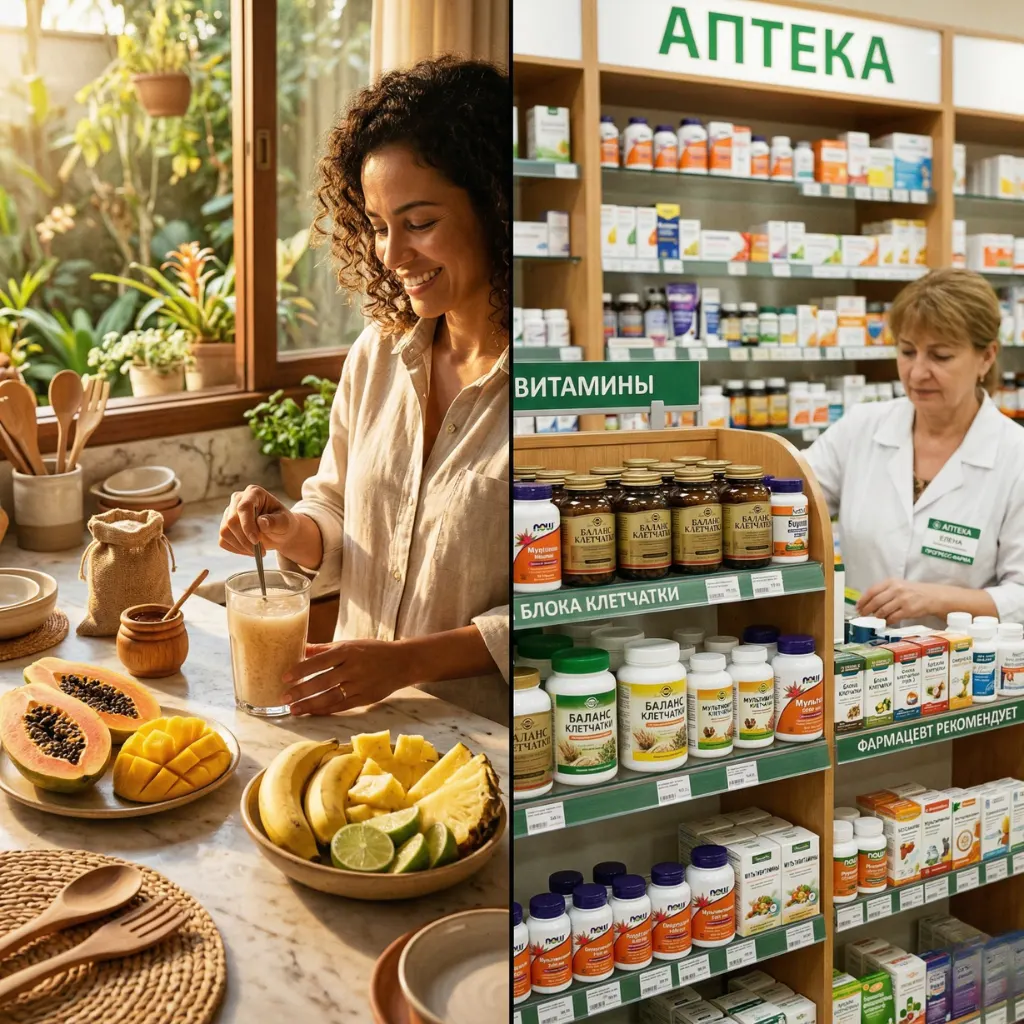
Two Countries, One Ingredient, and a Growing Demand That Shows No Signs of Slowing.
Brazil and Russia do not share much at first glance. Different climates, different languages, different relationships with food and medicine. But spend time in the world of supplement ingredient sourcing and something interesting shows up in both countries at once: a growing, consistent, increasingly sophisticated demand for psyllium husk from India.
We have been watching this unfold from our facility in Palanpur, Gujarat, where we manufacture and export psyllium husk to both markets. The demand is not coming from one sector or one type of buyer. In Brazil it is supplement brands, gluten-free food manufacturers, and pharmaceutical companies. In Russia it is primarily pharmaceutical manufacturers and, increasingly, food processing companies looking for natural functional ingredients. The common thread is quality Indian psyllium, supplied with proper documentation and genuine reliability.
This blog is our honest take on what is driving that demand in each country, what buyers in both markets actually need from a supplier, and what you should know if you are sourcing psyllium for Brazilian or Russian end markets.
1. Brazil: A Market That Runs on Health Aspiration
Brazil is a country where looking good and feeling well have always been taken seriously. The supplement and nutraceutical industry there is large, competitive, and moving fast. Brazilian consumers read labels, research ingredients, and increasingly want to know where their health products come from. That shift toward ingredient transparency has been good for suppliers like us who can trace their product back to a named facility in Gujarat.
Psyllium husk has found its strongest commercial footing in Brazil through the weight management and digestive health categories. Brazilian consumers are not looking for a medical experience when they buy fiber supplements. They want something natural, something that fits into a morning routine, something that delivers a result they can feel within a few days. Psyllium delivers all of that without the complexity of stimulant based products.
The other significant driver in Brazil is the gluten free food movement. Brazil has one of the highest rates of diagnosed celiac disease in Latin America, and the demand for genuinely good gluten free bread, pastry, and baked goods has grown enormously. Psyllium husk powder has become a standard ingredient in those formulations because it provides the binding and structure that make gluten-free products actually enjoyable to eat rather than merely compliant.
What the Brazilian Market Looks Like in Practice
- Single serve sachets and stick packs are the most popular format for psyllium in Brazilian retail. Most consumers dissolve psyllium in juice or water before meals, and the sachet format fits that habit naturally.
- Weight management is the biggest commercial driver of psyllium sales in Brazil today. Brands that have positioned psyllium as a satiety and metabolic support ingredient have outperformed those that lead with laxative messaging.
- ANVISA, Brazil’s health regulatory body, requires proper ingredient documentation for supplement products. Suppliers who understand this and proactively provide the documentation that supports your ANVISA compliance process are genuinely valuable partners in this market.
- Brazilian supplement brands increasingly use ingredient origin in their marketing. Being able to tell consumers that your psyllium comes from a certified manufacturer in Gujarat is a real differentiator in the premium segment.
2. Russia: Where Pharmaceutical Standards Drive the Conversation
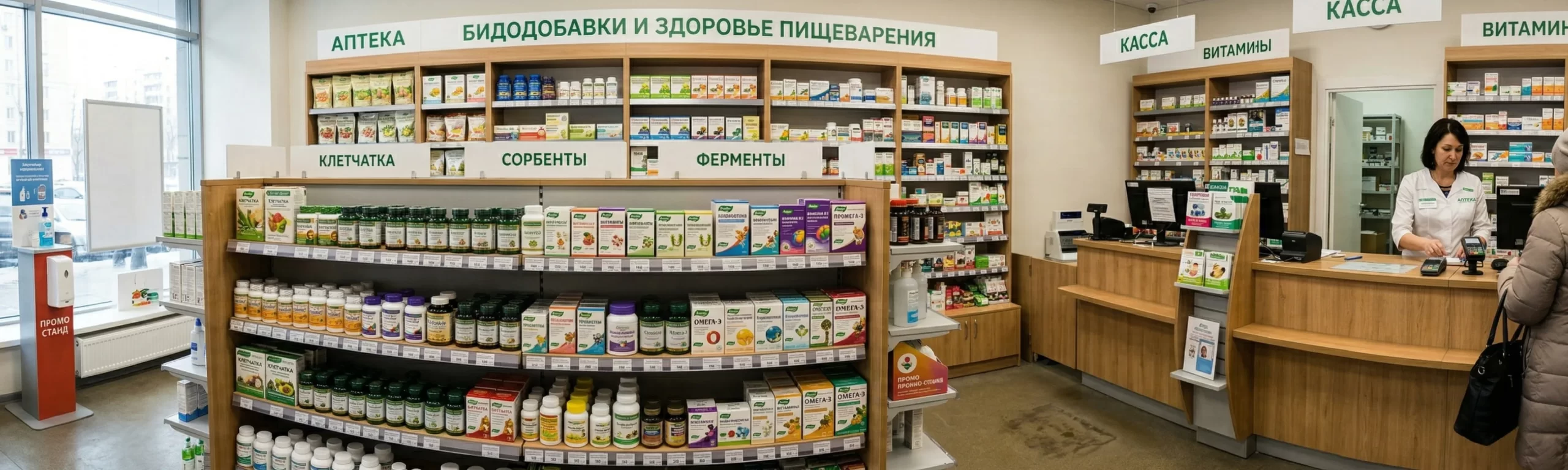
Russia approaches psyllium differently from Brazil. Where Brazilian demand is consumer driven and trends through the retail supplement market, Russian demand is anchored much more firmly in the pharmaceutical sector. Russian manufacturers producing OTC laxative products, cholesterol management preparations, and pharmaceutical excipients are among the most consistent buyers of Indian pharmaceutical grade psyllium.
This matters practically. Russian pharmaceutical manufacturers are not price-shopping in the way that some commodity buyers do. They are specification shopping. They need psyllium that reliably meets international pharmacopoeia standards, with documentation that passes Russian customs and regulatory review without complications. A supplier who cannot get the documentation right is a supplier who costs their Russian buyer money in customs delays, regardless of how good the product itself is.
Beyond pharmaceuticals, there is a growing food processing dimension to the Russian psyllium market. Russian food manufacturers producing functional breads, fiber fortified products, and specialty diet foods have begun incorporating psyllium as a natural clean-label ingredient. As Russian consumer interest in the provenance and naturalness of food ingredients has grown, psyllium has moved from pharmaceutical-only territory into the mainstream food ingredients conversation.
What Russian Buyers Consistently Tell Us They Need
- Complete and accurate documentation is the top priority without exception. A Phytosanitary Certificate with an incorrect detail, a Certificate of Origin that does not conform to Russian customs expectations, or a batch number discrepancy between the COA and the shipping documents will cause delays. Russian buyers have told us clearly that documentation accuracy is more important to them than marginal price differences.
- Pharmaceutical grade psyllium for the Russian market should be tested against BP or USP standards. Russian manufacturers supplying the regulated pharmaceutical channel will need this confirmed in writing, and it should be in the COA explicitly.
- Supply consistency is not optional for Russian pharmaceutical companies. Their production schedules cannot absorb spot shortages. Suppliers who can commit to regular quarterly volumes and honour that commitment earn long term relationships in Russia. Suppliers who treat each order as independent rarely do.
- GSP Form A Certificate of Origin from India provides preferential import duty treatment for eligible products into Russia. This directly affects the landed cost calculation for Russian buyers and it is worth confirming with your supplier that they issue this correctly.
3. The Documentation Problem That Trips Up Most New Exporters to Both Markets
Here is something that does not get enough attention in the psyllium trade. A meaningful portion of the problems that Brazilian and Russian buyers experience with Indian suppliers come not from the product quality but from documentation errors. A missing field on the Phytosanitary Certificate. A batch number on the COA that does not match the shipped lot. An incorrect HS code on the commercial invoice.
These mistakes are entirely avoidable and they happen when a supplier’s export team is inexperienced, when documentation is prepared in a rush, or when the supplier has not taken the time to understand the specific documentary requirements of the destination country. Brazil and Russia are not identical markets in their customs requirements, and a generic document template used for both is rarely correct for either.
At Prime Psyllium, we have shipped to both markets consistently and our export team prepares documentation tailored to the destination country, not a one-size-fits-all template. Before every shipment leaves Palanpur, the document set is cross-checked against a destination-specific checklist. It sounds like a basic thing, but the number of suppliers in our industry who do not do this consistently is genuinely striking.
4. Matching the Grade to the Market: What Actually Works
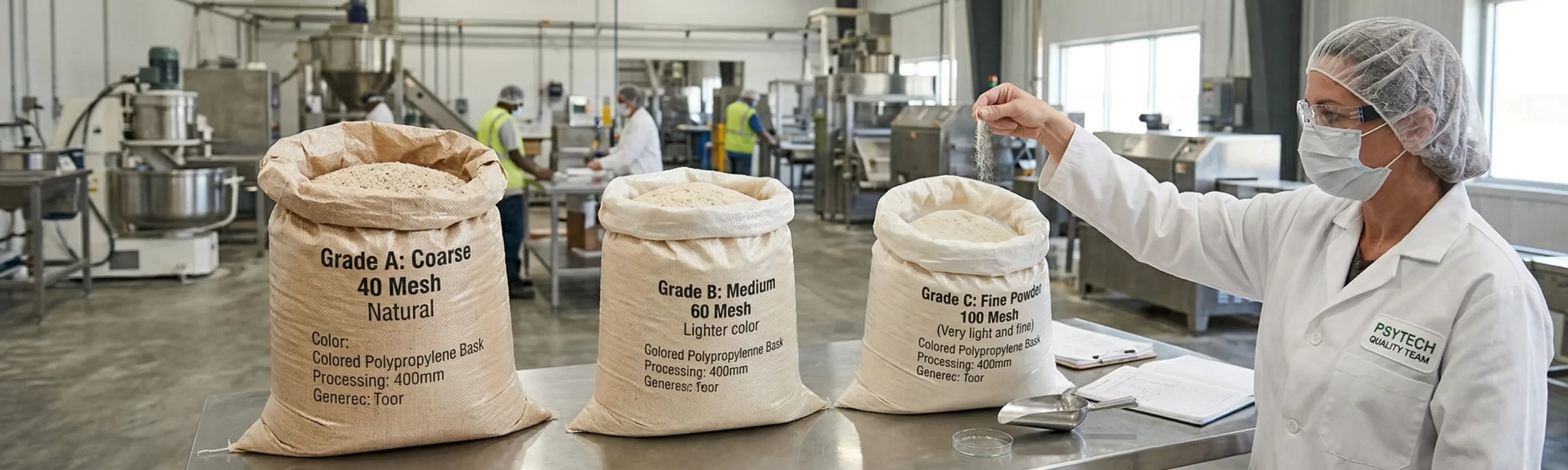
Brazil and Russia are not monolithic markets. Within each country there are pharmaceutical buyers, supplement manufacturers, food processing companies, and animal nutrition producers, and each has different purity requirements. Choosing the right grade for your specific customer is one of the most practical decisions in psyllium sourcing.
Grade Guidance by Application for Brazilian and Russian Markets
- Brazilian pharmaceutical laxative manufacturers: 99% purity with full USP 29 compliant documentation is the standard
- Brazilian dietary supplement brands: 98% positions well in the premium Brazilian supplement market and meets most retailer and regulatory requirements
- Brazilian gluten-free food manufacturers: 95% food-grade psyllium husk powder is appropriate and commercially well-priced for baking applications
- Russian pharmaceutical manufacturers: 98% to 99% depending on formulation specifics, with BP or USP testing documentation as the baseline requirement
- Russian food processing companies: 90% to 95% food-grade with HACCP and FSSAI documentation satisfies Russian food safety import requirements for most applications
- Russian animal nutrition producers: 85% to 90% grade is commercially appropriate and widely accepted
5. How to Start a Supply Relationship with Prime Psyllium for Brazil or Russia
We have shipped to both markets and we understand the specifics of making a shipment to Sao Paulo or Moscow work cleanly from end to end. When a Brazilian or Russian buyer contacts us for the first time, the first thing we ask about is the application, the regulatory environment they are operating in, and what their customs process requires. That conversation shapes the product grade, the testing specification, and the entire documentation approach for their shipment.
For new buyers in both markets, we recommend starting with a sample order that includes the complete documentation set needed for customs clearance in your country. Testing both the product quality and the documentation quality together, before any significant commercial volume moves, is the most reliable way to start. Most buyers who go through that process move to commercial orders within four to six weeks.
If you are sourcing psyllium for a Brazilian or Russian application and you want to have a direct conversation about your requirements, we are here for that conversation.
Ready to Source the World’s Finest Psyllium?
Quality • Purity • Global Reach
www.primepsyllium.com | [email protected]
Prime Psyllium — India’s Trusted Psyllium Manufacturer and Global Exporter
